Source rutilated quartz loose beads for Jewelry Making, Souvenirs, Gifts
Compare 30 listings of rutilated quartz loose beads from verified suppliers. Buyers can evaluate sizes, colors, and customization options for jewelry making, souvenirs, and holiday gifts. These natural stone beads feature polished finishes and round shapes suitable for DIY projects, home decoration, and business gifts. Suppliers offer various gemstone types including amethyst, citrine, and tiger eye with flexible packaging.
Key considerations
Products List
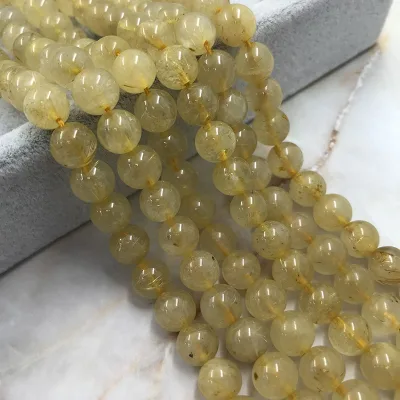


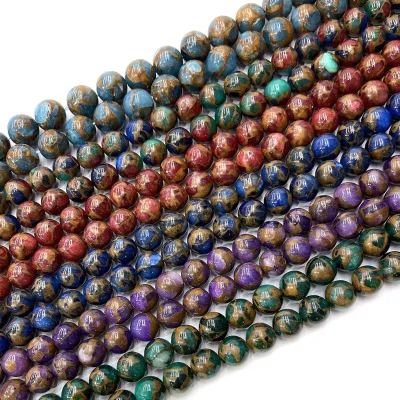
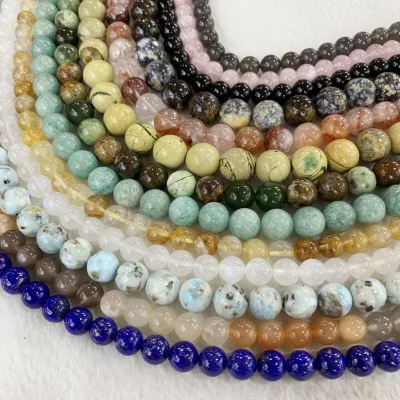


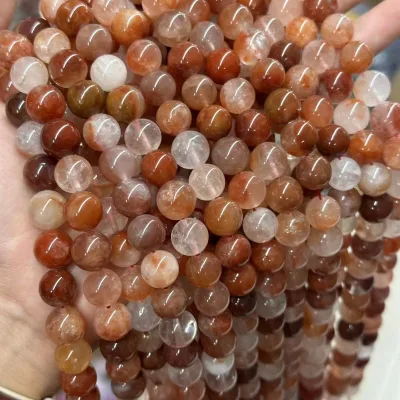
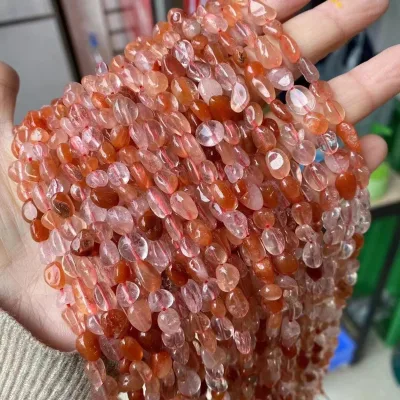

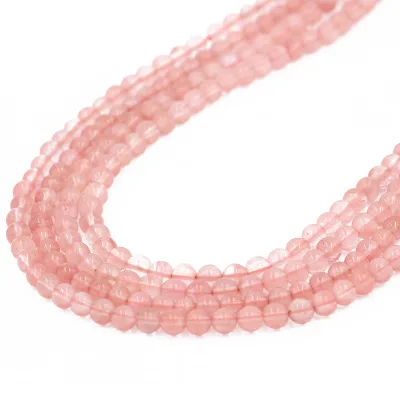
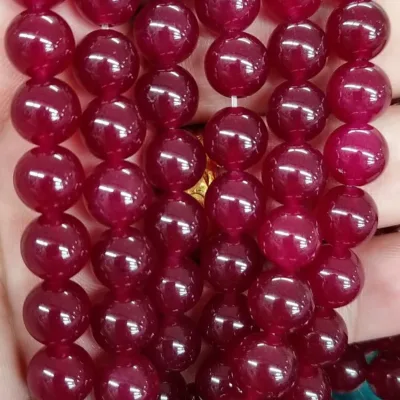
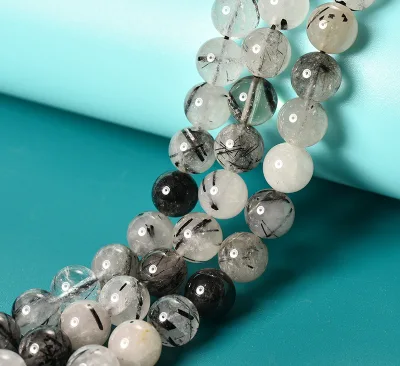
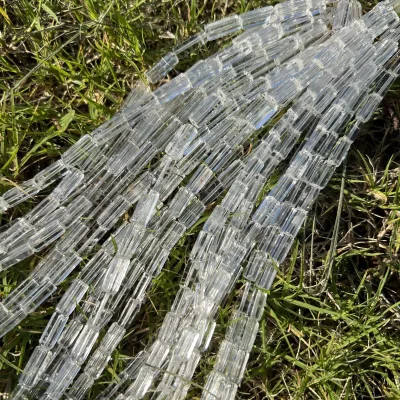
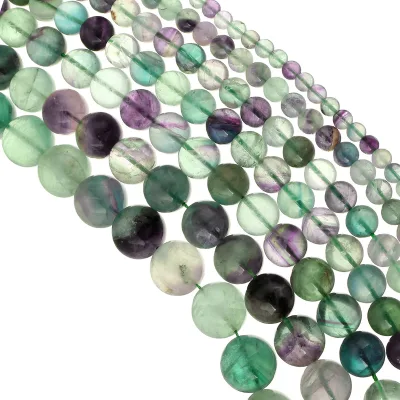


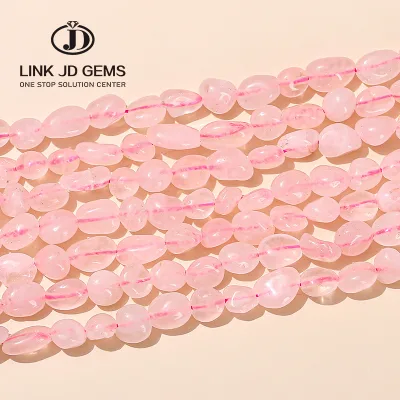


Comprehensive Sourcing Guide
Rutilated Quartz Loose Beads Sourcing Guide
Rutilated quartz loose beads occupy a distinctive position in the gemstone bead market because the golden rutile needle inclusions create natural visual variation that buyers cannot fully standardize. For procurement teams sourcing for DIY jewelry making, bracelet production, or decorative applications, this variability is both the appeal and the primary risk: two strands from the same batch can differ noticeably in rutile density, distribution, and overall tone. A disciplined sourcing approach therefore treats every listing as a starting observation rather than a finished specification.
This guide walks through the full commercial cycle for rutilated quartz loose beads, from interpreting listing signals and verifying technical specifications to qualifying suppliers and managing long-term supply. The observations referenced here are drawn from live product-page data, including polished gold rutilated quartz round beads in 8mm and 10mm sizes, natural-color stone material, 1mm hole sizes, and strand packaging. Where the data is silent—such as on certification status or exact pricing—this guide tells you what to ask suppliers rather than inventing values.
Product Scope and Observed Listing Signals
The observed listings cluster around natural-color, round-shaped loose beads made from gold rutilated quartz and related natural crystal materials, with sizes commonly listed at 8mm and 10mm and hole sizes around 1mm. Packaging is typically by strand, with some listings offering bulk options, and finishing is described as polished. Several listings signal customization availability, OEM/ODM welcome, and custom shape or custom size capabilities, which matters if your jewelry line requires non-standard dimensions or mixed-gemstone assortments alongside amethyst, citrine, tiger eye, rose quartz, or clear quartz.
Interpret these signals critically. Listings in this category frequently mix attributes—some mention translucent transparency or optical effects such as pleochroism, while others list colors like pink, white, or black that may refer to companion stone products rather than the rutilated quartz itself. Model numbers such as SSL-006, KT-048, SSL-042, and KT-002 suggest catalog breadth, but a listed model does not confirm the exact attributes you need. Always request photographs of the actual batch you would receive, since "as picture" color descriptions leave substantial room for interpretation.
Technical Specifications to Verify
Begin with dimensional verification. Observed listings state bead standards ranging from 5-8mm and 4-12MM up to 4-20MM across the category, with some offering custom bead sizes, so confirm the diameter tolerance your design can accept before committing. Hole size is equally critical: the observed 1mm hole dictates cord or wire diameter limits for strung jewelry, and any deviation in drilling quality—off-center holes, chipped entry points—becomes a visible defect in finished bracelets. Ask how holes are drilled and what rejection rate the supplier applies.
Beyond dimensions, verify the material claims themselves. Listings describe the beads as natural stone, natural crystal, or quartz with a polished finish, but natural rutilated quartz varies widely in rutile density and clarity. Request close-up imagery under neutral lighting, and ask whether the beads are dyed, treated, or resin-filled, since the "natural" bead color attribute should be confirmed rather than assumed. For translucent materials, check how the supplier defines transparency grades, and confirm whether polished surfaces carry any wax coating that could affect durability during stringing or wear.
Compliance and Safety Documentation
Natural stone beads sold for jewelry making generally fall under general consumer product requirements in destination markets, but the observed listings contain no certification claims, so you must build the documentation request into your RFQ rather than assuming compliance. For beads that contact skin in bracelets or necklaces, buyers in regulated markets typically ask about restricted substance screening—particularly for any dyes, coatings, or surface treatments applied to natural stone—so request declarations of treatment status in writing.
Ask suppliers what test reports they can provide, but do not accept claims at face value: request report copies with sample identifiers, testing scope, and issuing laboratory details so your compliance team can verify them. If beads are marketed with metaphysical benefits, such as the observed listings' claims that the stones are "believed to promote energy balance and vitality" or "amplify energy," ensure marketing copy in your own listings stays consistent with advertising rules in your market and avoids presenting belief-based claims as verified effects. For gift, souvenir, and home decoration applications, confirm packaging labeling meets destination-market language requirements before shipment.
Cost Drivers and Commercial Terms
Observed pricing in this category spans a very wide range, from nominal sample-level figures up to several hundred dollars, reflecting differences in bead size, strand length, rutile quality, and order structure—so treat any listed price as an anchor for negotiation rather than a landed cost. Primary cost drivers include bead diameter (larger beads consume more raw material per strand), rutile density and evenness, polishing quality, drilling precision, and whether beads are graded or sold unsorted. Custom sizes and custom shapes command premiums over catalog stock.
Observed commercial terms include T/T, PayPal, Western Union, and cash payments, with shipping offered via DHL, UPS, FedEx, EMS, or sea freight. Match payment method to risk: full prepayment on a first order with an unverified supplier concentrates risk on you, while staged payments or platform escrow reduce it. Observed MOQs range from 1 to 1000, so clarify whether quoted MOQs apply per size, per color, or per order, and confirm what packaging—OPP bag plus master case, carton box, or customized—is included in the quoted price versus billed separately.
Supplier Qualification and Quality Control
Observed listings originate from Guangdong, China, a major bead and jewelry-component manufacturing region, which gives you a deep supplier pool but also wide quality variance. Qualify suppliers by requesting batch photographs, sample strands before volume orders, and written confirmation of the attributes in their listings—material, treatment status, size tolerance, and hole size. A supplier that hesitates to send samples or refuses written attribute confirmation is a warning sign regardless of how polished the product page appears.
Establish inspection criteria before the first production order: define acceptable ranges for diameter variation, hole alignment, surface polish, chip and crack rates, and rutile appearance relative to an approved reference sample. Specify an AQL-style sampling approach in your purchase agreement and state whether inspection happens pre-shipment by your team, a third party, or the supplier with photographic evidence. Because natural rutilated quartz is inherently variable, agree in advance on what constitutes acceptable variation versus a defect—this single clarification prevents most disputes in gemstone bead sourcing.
Long-Term Procurement Checks
Long-term value in this category depends on consistency across repeat orders, which is harder to achieve with natural materials than with manufactured components. Build a retained-sample program: keep approved strands from each order, label them with model numbers such as SSL-006 or KT-048 and order dates, and compare every new batch against the retained reference before acceptance. Track rutile density, color tone, and size consistency over time so drift is caught early rather than discovered by customers.
Also monitor the commercial relationship, not just the product. Reconfirm pricing periodically since natural-material costs shift with raw stone availability; verify that customization and OEM/ODM commitments remain honored as order volumes change; and review payment and shipping terms annually as your leverage grows. Diversify across at least two qualified suppliers to protect against stockouts of specific sizes or quality grades, and periodically re-verify compliance documentation, since treatment disclosures and test report validity can change. A supplier relationship built on documented expectations survives market fluctuation far better than one built on informal agreements.
FAQs
What materials are used for these loose beads?
The beads are crafted from natural crystal and quartz, specifically polished gold rutilated quartz. The product line also includes other gemstones such as amethyst, citrine, tiger eye, and rose quartz. These natural stones are selected for their unique visual properties and are finished with a polished surface to enhance their luster and appeal for jewelry applications.
What sizes and shapes are available for the beads?
The beads are primarily available in round shapes, with custom shapes also offered upon request. Standard sizes include 8mm and 10mm, while other product models support ranges from 4mm to 20mm. The hole size is typically 1mm, allowing for easy threading. Buyers can also specify custom bead sizes to meet specific design requirements for their jewelry projects.
Can I customize the packaging for bulk orders?
Yes, customization is available for packaging. Standard options include strands, OPP bags, master cases, or bulk packaging. Buyers can request specific packing methods such as OPP bags combined with carton boxes or other customized solutions. This flexibility ensures that the beads are protected during shipping and meet the specific presentation needs of different retail or wholesale channels.
What are the common uses for these rutilated quartz beads?
These beads are versatile and suitable for DIY jewelry making, including bracelets, necklaces, and clothing accessories. They are also used for home decoration, holiday gifts, business gifts, and as art collections. The natural aesthetic and polished finish make them ideal for creating unique handmade pieces that appeal to crafters and jewelry designers seeking natural stone elements.
Where are these beads manufactured and shipped from?
The beads originate from Guangdong, China. Shipping options include express services via DHL, UPS, FedEx, and EMS, as well as sea freight for larger orders. Payment methods accepted are TT, PayPal, Western Union, and cash. This logistics setup supports both small sample orders and larger bulk shipments to international buyers efficiently.
What payment methods are accepted for these orders?
Accepted payment methods include TT, PayPal, Western Union, and cash. These options provide flexibility for international transactions. Buyers can choose the method that best suits their financial processes and regional availability. The supplier welcomes OEM and ODM orders, facilitating secure and convenient payment arrangements for both new and returning clients across different markets.